







































































































Introduction
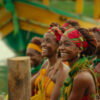
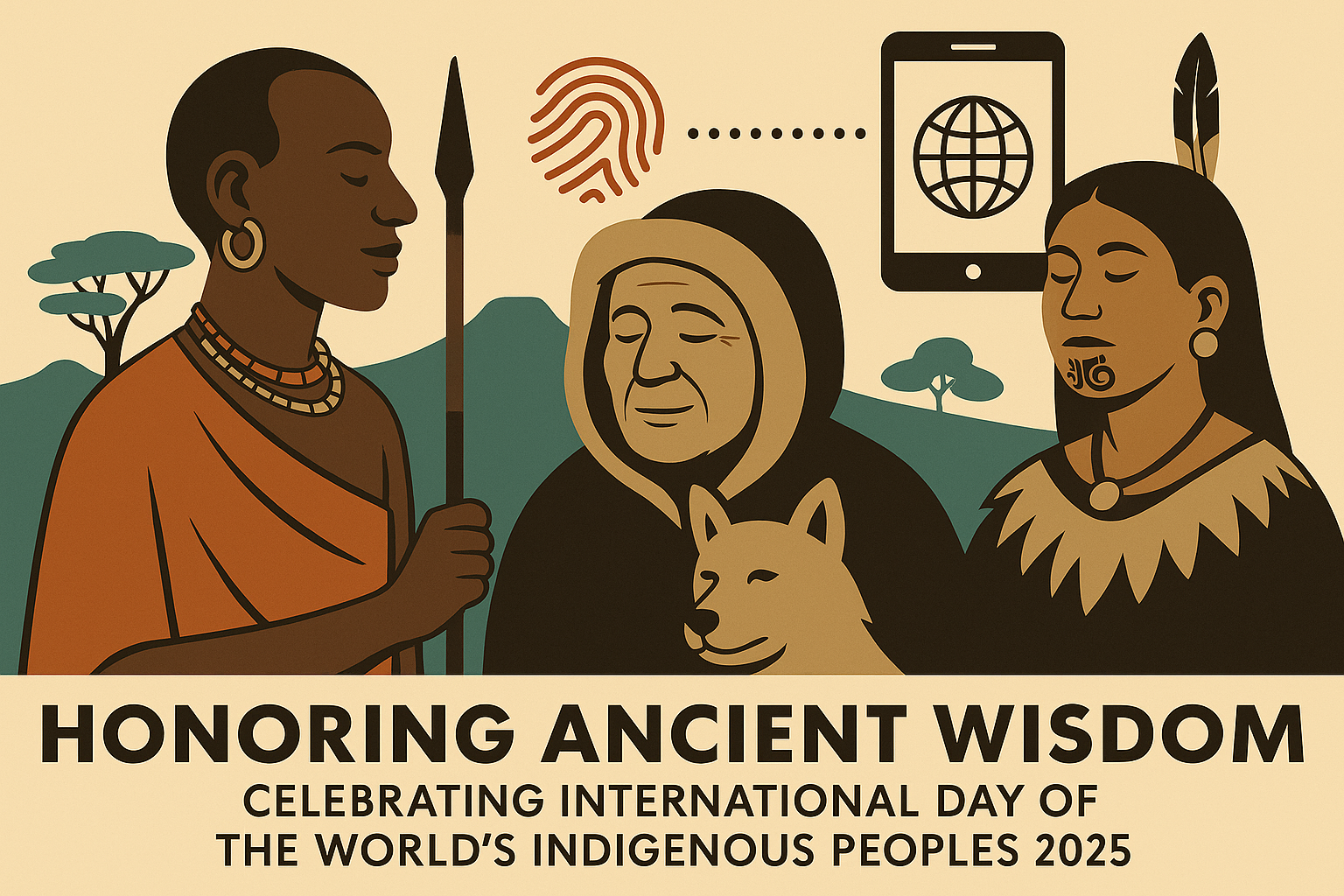
Every August 9th, the world pauses to honor the rich cultural heritage, profound wisdom, and enduring resilience of Indigenous peoples across the globe. From the Maasai warriors of East África sharing their traditional knowledge under the vast savanna sky to the Inuit elders of the Arctic teaching ice navigation techniques passed down through generations, International Day of the World’s Indigenous Peoples celebrates the incredible diversity of human experience and the vital contributions these communities make to our shared planet.
International Day of the World’s Indigenous Peoples, established by the United Nations General Assembly in December 1994, commemorates the first meeting of the UN Working Group on Indigenous Populations held on August 9, 1982. This significant day recognizes the rights, cultures, and contributions of the world’s approximately 476 million Indigenous people, who represent over 5,000 distinct cultures across 90 countries and speak the majority of the world’s estimated 7,000 languages.
For conscious travelers, this day presents extraordinary opportunities to engage with Indigenous communities through respectful, authentic cultural experiences that support local economies while fostering cross-cultural understanding. With reliable connectivity through your eSIM data plan for Canada or eSIM deal for Australia, you can share these meaningful encounters with the world, helping to amplify Indigenous voices and stories that deserve global recognition.
The Story Behind the Day
The International Day of the World’s Indigenous Peoples emerged from decades of advocacy and struggle for Indigenous rights recognition on the global stage. The date specifically honors August 9, 1982, when the United Nations Working Group on Indigenous Populations convened for the first time in Geneva, Suiza. This groundbreaking meeting marked the beginning of formal international dialogue about Indigenous rights, land sovereignty, and cultural preservation.
The UN Working Group, established under the Sub-Commission on Prevention of Discrimination and Protection of Minorities, became the first UN body to focus exclusively on Indigenous issues. Over the following years, this group developed the UN Declaration on the Rights of Indigenous Peoples, which was finally adopted by the General Assembly in 2007 after more than two decades of negotiations.
The significance of this day extends far beyond symbolic recognition. It serves as an annual reminder of the ongoing challenges faced by Indigenous communities worldwide, including land dispossession, cultural assimilation pressures, environmental degradation, and systemic discrimination. According to UNESCO, Indigenous languages are disappearing at an alarming rate, with one dying every two weeks, making cultural preservation efforts more urgent than ever.
Today, International Day of the World’s Indigenous Peoples has evolved into a global platform for raising awareness about Indigenous rights, celebrating cultural diversity, and promoting the implementation of the UN Declaration on the Rights of Indigenous Peoples. The day emphasizes the critical role Indigenous communities play in environmental conservation, sustainable development, and maintaining biodiversity, as Indigenous territories encompass 80% of the world’s remaining biodiversity.
Travel Destinations & Experiences
Canada: First Nations, Métis, and Inuit Heritage
Canada offers some of the world’s most comprehensive Indigenous tourism experiences, with over 630 First Nations communities, vibrant Métis culture, and Inuit traditions spanning the Arctic. British Columbia leads in Indigenous tourism development, featuring experiences like the Squamish Lil’wat Cultural Centre in Whistler and Indigenous Tourism BC certified operators throughout the province. Stay connected during your cultural journey with an eSIM plan for Canada to share authentic stories and support Indigenous-led initiatives.
Yukon Territory provides unparalleled access to First Nations culture through the Champagne and Aishihik First Nations Cultural Centre and traditional fishing experiences along the Yukon River. Nunavut offers authentic Inuit experiences, including traditional igloo building, throat singing performances, and Arctic wildlife viewing with Inuit guides who share generations of traditional ecological knowledge.
Australia: Aboriginal and Torres Strait Islander Cultures
Australia’s Aboriginal and Torres Strait Islander peoples represent the world’s oldest continuous cultures, spanning over 65,000 years. Uluru-Kata Tjuta National Park offers Anangu-guided walks that share Dreamtime stories and traditional land management practices. The Ayers Rock Resort provides multiple Indigenous experiences, from dot painting workshops to bush tucker tours. Document these profound cultural exchanges with your eSIM Australia deal for seamless sharing.
Northern Territory features the Tiwi Islands where visitors can participate in traditional art workshops and learn about Tiwi culture from community members. Queensland’s Tjapukai Aboriginal Cultural Park near Cairns offers immersive experiences including traditional dance performances, boomerang throwing, and didgeridoo lessons.
New Zealand: Māori Culture and Traditions
New Zealand’s Māori culture is deeply integrated into the country’s tourism offerings, providing authentic experiences that respect cultural protocols while sharing traditional knowledge. Rotorua serves as the cultural heart of Māori tourism, featuring traditional hangi (earth oven) feasts, haka performances, and geothermal experiences explained through Māori perspectives. Connect with Māori communities and share their stories using your eSIM New Zealand package.
Te Papa Tongarewa (Museum of New Zealand) in Wellington offers comprehensive Māori cultural exhibitions, while Waitangi Treaty Grounds in the Bay of Islands provides historical context for Māori-European relations and contemporary Māori sovereignty movements.
United States: Native American Nations and Tribal Lands
The United States is home to 574 federally recognized Native American tribes, each with distinct cultures, languages, and traditions. New Mexico offers exceptional Native American experiences through Pueblo communities like Taos Pueblo, a UNESCO World Heritage Site where visitors can learn about traditional adobe architecture and pottery making. Share these cultural discoveries with your eSIM USA data plan to support Native American tourism initiatives.
Arizona features the Grand Canyon’s South Rim, where Hopi and Navajo guides offer traditional perspectives on this sacred landscape. The Heard Museum in Phoenix showcases contemporary Native American art and cultural exhibitions. Alaska provides access to Alaska Native cultures through the Alaska Native Heritage Center in Anchorage and village visits in remote communities.
Peru: Andean Indigenous Communities
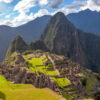
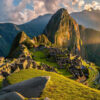
Peru’s Indigenous communities, including Quechua and Aymara peoples, offer transformative experiences in the Sacred Valley and around Lake Titicaca. Taquile Island on Lake Titicaca is renowned for its textile traditions, where visitors can learn traditional weaving techniques from master artisans. The Inca Trail to Machu Picchu provides opportunities to engage with local communities while learning about Andean cosmology and agricultural practices. Stay connected during your Andean adventure with your eSIM Peru connection.
Cusco serves as a gateway to numerous Indigenous experiences, including traditional medicine workshops with local healers and agricultural tourism in terraced farming communities that maintain pre-Columbian techniques.
Staying Connected While Celebrating
International Day of the World’s Indigenous Peoples celebrations rely heavily on digital connectivity to amplify Indigenous voices and share cultural experiences with global audiences. Many Indigenous communities have embraced social media and digital platforms as tools for cultural preservation and economic development, making reliable internet connectivity essential for respectful cultural tourism.
Modern Indigenous tourism experiences often incorporate digital elements, from QR codes providing additional cultural context to virtual reality experiences that complement in-person learning. Your international eSIM ensures you can access translation apps for Indigenous languages, participate in live cultural events, and share authentic stories that support Indigenous communities’ economic goals.
The global Indigenous community is increasingly connected through digital networks, with platforms like Indigenous Tourism of the Americas and Indigenous Tourism Association of Canada providing resources and connections for travelers seeking authentic experiences. Real-time connectivity allows travelers to verify the authenticity of Indigenous tourism operators, ensuring their tourism dollars support genuine community-led initiatives rather than exploitative cultural appropriation.
For practical purposes, staying connected while visiting Indigenous communities is essential for accessing cultural protocols, understanding appropriate behavior, and connecting with local guides. Many remote Indigenous territories now have cellular coverage, making it possible to maintain communication while respecting traditional ways of life.
Do’s and Don’ts
Do’s: Respectful Indigenous Tourism Practices
Do research cultural protocols before visiting Indigenous communities. Each culture has specific customs regarding photography, sacred sites, and appropriate behavior. Many communities provide cultural orientation sessions for visitors, and some require advance permission for certain activities or areas.
Do support Indigenous-owned businesses and tour operators. Look for certifications from organizations like Indigenous Tourism Association of Canada, Indigenous Tourism BC, or American Indian Alaska Native Tourism Association. These certifications ensure your tourism dollars directly benefit Indigenous communities.
Do ask permission before photographing people, ceremonies, or sacred sites. Many Indigenous cultures have specific beliefs about photography, and some ceremonies or locations may be off-limits to visitors or cameras. Always respect these boundaries and understand that some experiences are meant to be lived rather than documented.
Do participate with an open mind and heart. Indigenous tourism experiences often challenge Western perspectives on time, nature, and spirituality. Approach these experiences with curiosity and respect, understanding that you’re being invited into worldviews that may be fundamentally different from your own.
Do purchase authentic Indigenous art and crafts directly from artisans when possible. This supports traditional skills and provides economic benefits to communities. Learn about the significance of different art forms and the stories behind specific pieces.
Don’ts: Common Mistakes to Avoid
Don’t treat Indigenous cultures as entertainment or exotic spectacles. These are living cultures with contemporary challenges and achievements. Avoid experiences that feel like “human zoos” or oversimplified cultural performances designed solely for tourist consumption.
Don’t assume all Indigenous cultures are the same. There are thousands of distinct Indigenous cultures worldwide, each with unique languages, traditions, and contemporary realities. Avoid generalizations and take time to learn about the specific communities you’re visiting.
Don’t ignore contemporary Indigenous issues. While celebrating traditional culture is important, Indigenous communities face ongoing challenges including land rights disputes, environmental threats, and social justice issues. Respectful tourism acknowledges both cultural heritage and contemporary realities.
Don’t appropriate Indigenous symbols or practices. Participating in cultural experiences doesn’t give you the right to adopt Indigenous symbols, clothing, or spiritual practices outside their cultural context. Respect the sacred nature of many Indigenous traditions.
Don’t visit without proper preparation. Many Indigenous tourism experiences require physical preparation, cultural sensitivity training, or advance booking. Showing up unprepared can be disrespectful and may result in denied access to certain experiences.
Essential Links and Phone Numbers
Emergency Contacts by Destination
Canada: Emergency Services: 911, Indigenous Services Canada: 1-800-567-9604 Australia: Emergency Services: 000, National Native Title Tribunal: +61 1800 640 501 New Zealand: Emergency Services: 111, Māori Development Ministry: +64 4 819 6000 United States: Emergency Services: 911, Bureau of Indian Affairs: 1-202-208-3710 Peru: Emergency Services: 105 (Police), 116 (Fire), Tourist Police: +51 1 460-0921
Indigenous Tourism Organizations
- Indigenous Tourism Association of Canada: www.indigenoustourism.ca
- Indigenous Tourism BC: www.indigenousbc.com
- American Indian Alaska Native Tourism Association: www.aianta.org
- Tourism New Zealand – Māori Tourism: www.newzealand.com/int/maori-culture/
- Discover Aboriginal Experiences (Australia): www.discoveraboriginalexperiences.com
Cultural Learning Resources
- UN Permanent Forum on Indigenous Issues: www.un.org/development/desa/indigenouspeoples/
- UNESCO Indigenous Peoples: www.unesco.org/en/indigenous-peoples
- Survival International: www.survivalinternational.org
- Cultural Survival: www.culturalsurvival.org
- Indigenous Peoples Literature: www.indigenouspeopleliterature.com
GlobaleSIM Customer Support
- 24/7 Support: Available through the GlobaleSIM app and website
- Canada: globalesim.app/product/canada
- Australia: globalesim.app/product/australia
- USA: globalesim.app/product/usa
- New Zealand: globalesim.app/product/new-zealand
Country and Season Specific Checklist
Essential Items for Indigenous Tourism
Cultural Preparation
- Research specific cultural protocols for communities you’ll visit
- Learn basic greetings in local Indigenous languages
- Understand appropriate gift-giving customs and reciprocity expectations
- Read contemporary Indigenous literature from your destination regions
- Prepare questions that show genuine interest in contemporary Indigenous life
Practical Gear
- Comfortable walking shoes suitable for various terrains
- Weather-appropriate clothing that covers shoulders and knees (many cultures prefer modest dress)
- Small notebook for recording cultural insights (with permission)
- Reusable water bottle and snacks for remote area visits
- Cash for purchasing authentic Indigenous art and crafts
Season-Specific Considerations (August)
Summer Weather Preparedness
- Lightweight, breathable clothing in neutral colors
- Sun protection including hat, sunglasses, and high-SPF sunscreen
- Insect repellent for outdoor cultural activities
- Light rain jacket for unpredictable weather in mountainous or coastal areas
- Comfortable daypack for cultural site visits
Cultural and Practical Items Canada: Warm layers for northern territories, mosquito netting for remote areas Australia: Sun protection for Outback experiences, respectful clothing for sacred sites New Zealand: Warm clothing for South Island experiences, waterproof gear for outdoor activities USA: Desert protection for Southwest experiences, appropriate footwear for varied terrains Peru: Altitude sickness medication for high-elevation communities, warm clothing for Andean regions
Technology and Documentation
- Portable phone charger for extended cultural site visits
- Camera with extra batteries (check photography policies first)
- Translation apps downloaded for offline use
- Digital copies of important documents stored securely
- Emergency contact information for local Indigenous tourism operators
How to Participate & Share
International Day of the World’s Indigenous Peoples offers numerous ways to engage meaningfully with Indigenous communities while traveling. The most impactful participation involves supporting Indigenous-owned tourism businesses, cultural centers, and artisan cooperatives. Many communities offer special events on August 9th, including traditional ceremonies, cultural workshops, and storytelling sessions that welcome respectful visitors.
Responsible Social Media Engagement Use hashtags #IndigenousPeoplesDay, #IndigenousTourism, #IndigenousWisdom, and #RespectfulTravel to connect with global Indigenous communities and conscious travelers. Share content that amplifies Indigenous voices rather than centering your own experience. Always ask permission before posting photos of people or sacred sites, and consider sharing Indigenous-created content alongside your own posts.
Supporting Indigenous Economies Purchase authentic Indigenous art, crafts, and products directly from artisans and Indigenous-owned businesses. Many communities offer workshops where visitors can learn traditional skills while supporting cultural preservation. Participate in Indigenous-led tours, stay in Indigenous-owned accommodations, and dine at restaurants featuring traditional Indigenous cuisine.
Educational Content Creation Document your learning experiences respectfully, focusing on the educational aspects of Indigenous culture, history, and contemporary issues. Share information about Indigenous rights, environmental stewardship, and cultural preservation efforts. Create content that encourages others to engage respectfully with Indigenous communities and support Indigenous-led initiatives.
Long-term Engagement Consider ongoing support for Indigenous communities beyond your travel experience. Many organizations offer volunteer opportunities, cultural exchange programs, and advocacy initiatives that allow continued engagement with Indigenous issues and communities.
Conclusion
International Day of the World’s Indigenous Peoples 2025 offers conscious travelers unprecedented opportunities to engage with the world’s most ancient and resilient cultures while supporting Indigenous communities’ economic and cultural goals. From participating in traditional ceremonies in Canadian First Nations communities to learning sustainable farming techniques from Andean Indigenous farmers, these experiences provide profound insights into alternative ways of understanding our relationship with the natural world and each other.
The key to meaningful Indigenous tourism lies in approaching these experiences with humility, respect, and genuine curiosity about contemporary Indigenous life rather than romanticized historical perspectives. GlobaleSIM’s international connectivity ensures you can share these transformative encounters responsibly while supporting Indigenous communities’ efforts to control their own narratives and economic development.
Ready to embark on your respectful cultural journey? Activate your GlobaleSIM plan today and ensure seamless connectivity for all your Indigenous cultural experiences. Our specialized travel data plans support conscious travelers who want to engage meaningfully with Indigenous communities worldwide.
Special Indigenous Peoples Day Offer: Use code WISDOM2025 for 25% off your first international data plan – because authentic cultural experiences deserve to be shared with respect and understanding.
Explore Our Indigenous Tourism Destination Plans:
- Canada First Nations Experiences: globalesim.app/product/canada
- Australia Aboriginal Culture: globalesim.app/product/australia
- New Zealand Māori Heritage: globalesim.app/product/new-zealand
- USA Native American Tours: globalesim.app/product/usa
- Peru Andean Communities: globalesim.app/product/peru
- Global Indigenous Experiences: globalesim.app/product/global
Honoring the wisdom of Indigenous peoples and supporting their communities through respectful, conscious travel.
Preguntas frecuentes
Established by the UN General Assembly in 1994, the day is observed every August 9th to mark the anniversary of the first UN Working Group on Indigenous Populations meeting in Geneva in 1982. It recognizes the rights and contributions of the world's Indigenous peoples, who represent thousands of distinct cultures and speak the majority of the world's estimated 7,000 languages.
In Canada, British Columbia offers certified Indigenous tourism experiences like the Squamish Lil'wat Cultural Centre, while Nunavut provides Inuit-guided activities such as traditional igloo building and throat singing. In Australia, Uluru-Kata Tjuta National Park offers Anangu-guided walks sharing Dreamtime stories, and Queensland's Tjapukai Aboriginal Cultural Park features traditional dance and didgeridoo lessons.
Travelers should research cultural protocols before visiting, since customs around photography and sacred sites vary widely between communities, and always ask permission before photographing people or ceremonies. It's also encouraged to book through certified Indigenous-owned tour operators and to purchase art and crafts directly from artisans so tourism spending benefits the community.
Rotorua serves as the cultural center of Maori tourism, offering traditional hangi earth-oven feasts, haka performances, and geothermal sites explained from a Maori perspective. Te Papa Tongarewa museum in Wellington features Maori cultural exhibitions, and the Waitangi Treaty Grounds in the Bay of Islands provide historical context on Maori-European relations.
Travelers should avoid treating Indigenous cultures as entertainment or assuming all Indigenous communities are alike, since there are thousands of distinct cultures with their own languages and traditions. It's also important not to appropriate Indigenous symbols or spiritual practices outside their proper context, and to prepare in advance, since many experiences require booking ahead or cultural sensitivity guidance.
Consigue las guías de viaje de GlobaleSIM primero en las noticias principales de Google.