










































































































































































































The world of mobile phone unlocking can seem complicated, but federal law has established clear rights for consumers. When you purchase a phone from a carrier, it often comes “locked” to their network. However, the Unlocking Consumer Choice and Wireless Competition Act, passed in 2014, makes it legal for consumers to unlock their phones once certain conditions are met.

The Legal Framework: Unlocking Consumer Choice Act
This landmark legislation marked a significant shift in consumer rights regarding mobile devices. The law explicitly states that carriers cannot prevent you from unlocking your device once you’ve fulfilled your contract obligations. This applies to both postpaid and prepaid devices, though the specific requirements may differ.
Carrier Obligations Under Federal Law
Notification Requirements
Carriers must provide clear, accessible, and readily available policies on unlocking. They are required to:
- Notify you when your device is eligible for unlocking
- Respond to unlock requests within two business days
- Inform you if they cannot unlock your device and explain why
- Unlock devices for deployed military personnel upon request
Timeline Standards
The FCC mandates that carriers must unlock devices after the contract term ends or the device is paid in full. For prepaid devices, carriers must unlock them no later than one year after initial activation, provided the customer has maintained active service.
Your Legal Right to Unlock: Eligibility Criteria
To legally unlock your phone, you typically must meet these requirements:
- Complete your contract term or device payment plan
- Ensure your account is in good standing
- Verify the device wasn’t reported lost, stolen, or involved in fraud
- Have active service with the carrier for at least 60 days

The Legal Unlocking Process
Step 1: Verify Eligibility
Contact your carrier or check their website to confirm your device’s eligibility for unlocking. Most carriers provide online tools where you can check your status using your IMEI number.
Step 2: Submit Request
Once eligible, submit an unlock request through your carrier’s designated channels. Carriers must:
- Process your request within two business days
- Notify you of any delays
- Provide clear instructions for the unlocking process
Step 3: Complete Unlocking
Follow the carrier’s provided instructions to complete the unlocking process. This may involve:
- Entering an unlock code
- Connecting to iTunes (for certain iPhones)
- Installing carrier updates
Special Provisions and Exceptions
Military Personnel Rights
Active duty military personnel have enhanced rights under the law:
- Eligible for unlocking before contract completion
- Must provide deployment papers
- Carriers must expedite these requests
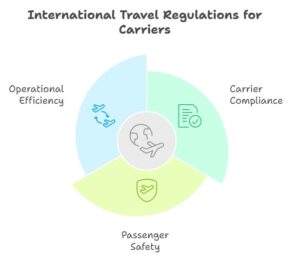
International Travel Considerations
When traveling internationally, carriers must:
- Provide unlocking information for international use
- Honor eligible unlock requests for international travel
- Explain alternative options if unlocking isn’t possible
Consumer Protection and Legal Recourse
When Carriers Don’t Comply
If your carrier violates your unlocking rights, you can:
- File a complaint with the FCC
- Contact your state’s consumer protection office
- Seek assistance from consumer advocacy organizations
Documentation Requirements
Always maintain records of:
- Your purchase agreement
- Payment history
- Communications with your carrier about unlocking
- Unlock request submissions and responses
Common Legal Questions Answered
Can I unlock my phone before the contract ends?
While technically possible, carriers are not legally required to unlock your device before you complete your contract or payment obligations.
What if my carrier refuses to unlock my eligible device?
File a complaint with the FCC and provide documentation showing you meet all eligibility requirements. The FCC can investigate and enforce compliance.
Do I need proof of purchase for unlocking?
Yes, carriers may require proof that you legitimately obtained the device and are the account holder.
Future Developments in Phone Unlocking Laws
The mobile industry continues to evolve, with eSIM technology potentially changing how we think about phone locking (or sim lock). Current trends suggest:
- Increased consumer freedom in choosing carriers
- Simplified unlocking processes
- Greater transparency in locking policies

- Regularly checking your unlock eligibility
- Understanding your carrier’s specific policies
- Keeping documentation of your device purchase and payment history
- Following up on unlock requests within the mandated timeframes
Remember, unlocking your phone is a legal right once you’ve met the eligibility requirements. Carriers are obligated to help you through this process, and various resources exist to support you if you encounter difficulties.
By understanding these rights and regulations, you can confidently navigate the unlocking process and ensure you maintain the freedom to choose your mobile carrier while protecting your consumer rights.
Perguntas frequentes
Passed in 2014, this federal law makes it legal for consumers to unlock their phones from a carrier once certain conditions are met, applying to both postpaid and prepaid devices. It prevents carriers from blocking unlocking after a customer has fulfilled their contract obligations, giving consumers the legal right to switch networks or use their device with a different SIM.
Under FCC rules, carriers must unlock devices after the contract term ends or the device is fully paid off, and must respond to unlock requests within two business days. For prepaid devices, carriers are required to unlock them no later than one year after initial activation, as long as the customer has maintained active service.
You generally need to have completed your contract term or device payment plan, keep your account in good standing, confirm the device hasn't been reported lost, stolen, or linked to fraud, and have maintained active service with the carrier for at least 60 days. Meeting these conditions makes you eligible to request unlocking.
Yes, active duty military personnel have enhanced unlocking rights under federal law, including eligibility for unlocking before their contract is complete. They must provide deployment papers to their carrier, who is then required to expedite these unlock requests compared to standard civilian timelines.
You can file a complaint with the FCC, which can investigate and enforce compliance, or contact your state's consumer protection office or a consumer advocacy organization for assistance. It helps to keep documentation of your purchase agreement, payment history, and any communications with your carrier about the unlock request when filing a complaint.
Seja o primeiro a ver os guias de viagem da GlobaleSIM nas principais notícias do Google.